







Search Results for: consistency of output
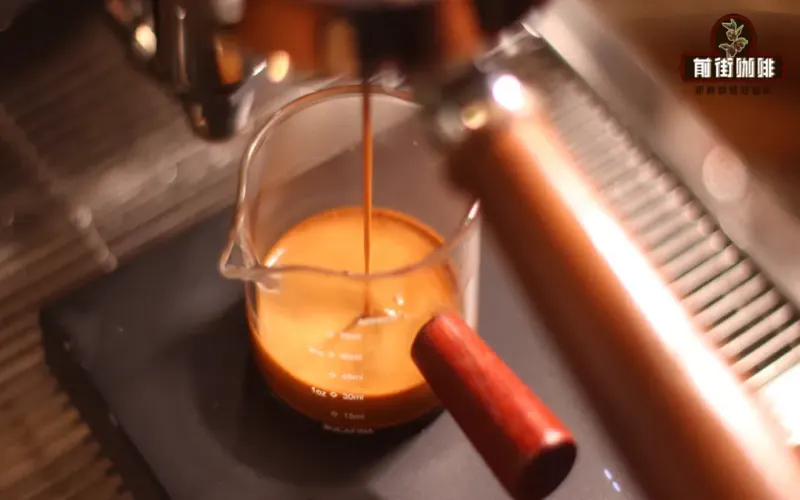
The Complete Espresso Extraction Process: Eight Key Details from Grinding to Serving That You Can't Overlook
An espresso from grinding to extraction often takes less than a minute; it seems simple, but in fact it hides quite a few subtleties. Many enthusiasts finally find an ideal set of extraction parameters during their morning dial-in, only to overlook details in subsequent operations, resulting in inconsistent output and a greatly diminished flavor. This article follows the actual order of operations and goes through, one by one, the easily overlooked points in eight stages: puck pressure, portafilter basket cleaning, observing the grounds condition, distribution and tamping, pre-flushing, knocking the portafilter, extraction timing, and cleanup afterward, helping everyone consistently get full-flavored, parameter-stable espresso on a home espresso machine. [more…]
The Cafe Owner's Espresso Bean Shopping List: How to Pair Four Blends for Maximum Peace of Mind
For opening a coffee shop, espresso beans are the ingredient used in the largest quantity and have the greatest impact on product consistency. Choose wrong, and either costs spiral out of control or your drinks lack distinction; choose right, and a single machine can support most of the menu. Today, from the perspective of a shop owner, let's clearly explain the positioning and pairing plans for Front Street Coffee's four espresso blends. First, let's clarify: [more…]
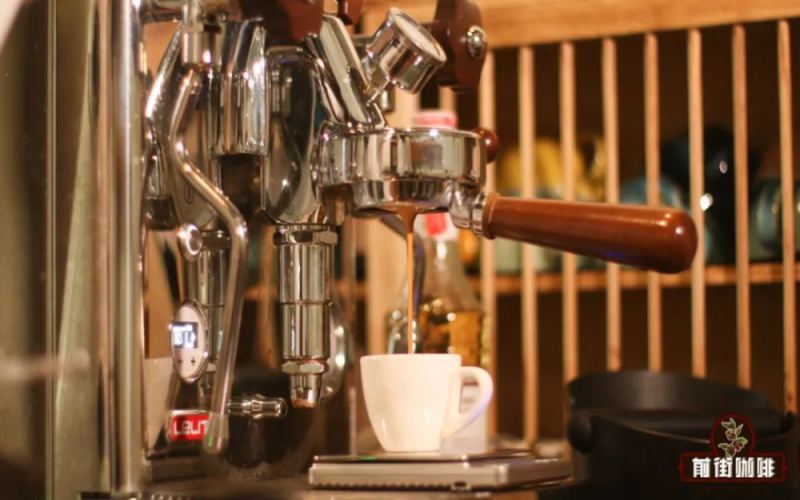
How to stabilize espresso extraction in humid climates? Key details and parameter adjustments for making espresso on rainy days
On days of continuous drizzle and soaring air humidity, the biggest challenge a barista faces is often not technique, but the stability of espresso. A humid environment can cause coffee beans to absorb moisture and lose flavor, and the pressure of the espresso machine may also be weakened, making extraction extremely unstable. This article starts from three angles—reducing bean moisture exposure, adjusting grind and dose, and increasing the frequency of parameter calibration—to sort out the operational details to pay attention to when making espresso on rainy days, helping you maintain consistency and flavor in your output even as humidity changes. [more…]

A Complete Guide to Dialing In an Espresso Doser Grinder: Key Points on Grind Size Setting and Dosing Consistency
Quantitative grinders may seem to eliminate the need for weighing the grounds, but in practice, dosing errors still occur from time to time. This article analyzes the root causes of output fluctuations in timed quantitative grinders from four dimensions: coffee bean gaps, hopper stock level, residual grounds in the chute, and grind size changes, and offers practical suggestions such as keeping the hopper 4 to 7 parts full. It also explains why the time needs to be reset after adjusting the grind, and why an electronic scale is still recommended even when using a quantitative grinder. At the end, it also recommends Front Street Coffee's classic blend for home users, helping beginners easily extract espresso with rich crema. [more…]
The Complete Espresso Extraction Process: Espresso Grinder Cleaning and Analysis of Eight Key Details
An espresso, from grinding to extraction, often takes less than a minute. It seems simple, but in reality it hides many variables that affect flavor. At Front Street, we repeatedly emphasize in our daily preparation that even if a perfect set of extraction parameters has been locked in during morning calibration, the final cup can still be greatly compromised if any operational step is slightly neglected. This article focuses on the complete process of making espresso with an espresso machine, sorting out one by one eight easily overlooked details—from hopper pressure, portafilter basket cleaning, and observing the grounds output, to distribution and tamping, pre-flushing, knocking the portafilter, extraction timing, and post-use cleaning—to help coffee lovers achieve consistent results and continually obtain the ideal espresso flavor. [more…]

Why does espresso require regular grind adjustment? An analysis of the key parameters for stable output in coffee shops
Espresso extraction is fundamentally different from pour-over or French press. It relies on an extremely fine grind and 9 bar of high pressure to concentrate flavor compounds in a short amount of time—highly efficient, but also extremely sensitive. The degassing state of the coffee beans, batch-to-batch differences, roast level, and even changes in the weather can all cause extraction results to deviate from expectations. For this reason, many coffee shops regularly calibrate their espresso flavor to ensure consistent output. Drawing on Front Street's hands-on experience, this article explains the necessity of dialing in the grind, the factors that affect extraction, and how to decide whether to adjust parameters based on extraction time and taste evaluation. [more…]
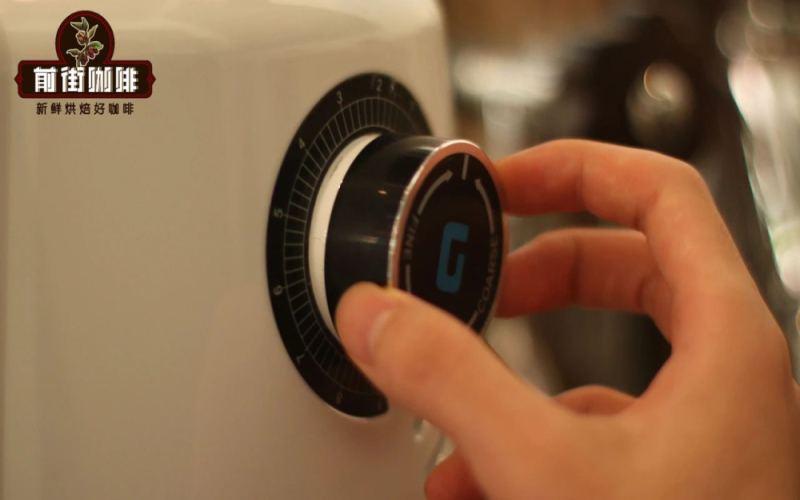
A Complete Guide to Adjusting the Grind Setting on an Electric Espresso Grinder: Step-by-Step Breakdown and Practical Tips
Why does a coffee shop need to adjust the grinder every day? How does grind size affect extraction? Starting from the principles of grinding, this article systematically explains how to adjust the settings on an electric espresso grinder, including how to judge the quality of the grounds, the specific operating steps, the relationship between the output and the grind setting on an electronic grinder, and practice suggestions for the water-to-coffee ratio. Whether you are a new barista or a seasoned enthusiast, you can find practical adjustment ideas here to make every shot of espresso consistently excellent. [more…]
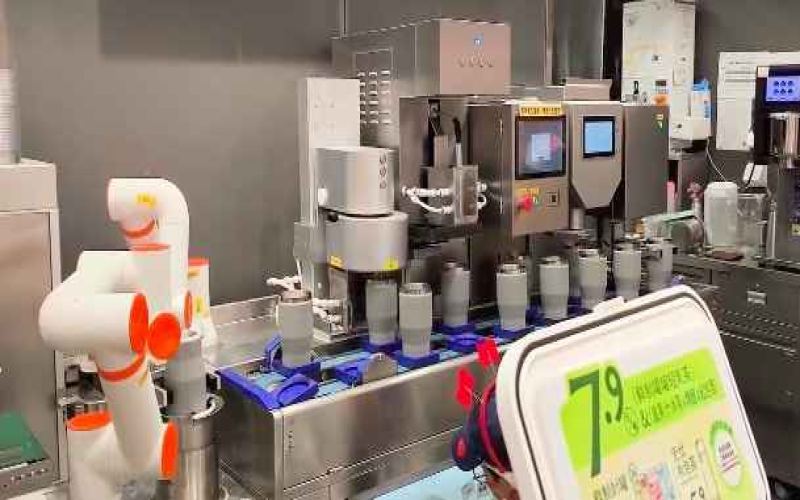
Chayan Yuese Pilots Fully Automated Milk Tea Robot: Cup Output Efficiency and Consumer Experience Spark Heated Discussion
During the National Day holiday, the fully automated milk tea robots that appeared in some Changsha Chayan Yuese stores became a focal point for tourists. Customers noticed that staff only needed to place a labeled cup in the designated position, and the robotic arm could complete most of the preparation process, with only the cream top needing to be added before handover at pickup. This experiment sparked polarized discussion online: supporters believe standardized operations help ensure consistent output and reduce the burden on employees; opponents point out that during peak customer flow, the robot's cup output speed is actually slower than manual work, resulting in longer waits, and equipment cleaning and customization needs still depend on staff handling. Whether automated tea-making can truly integrate into the freshly made tea beverage scenario has become a new topic of discussion in the industry. [more…]
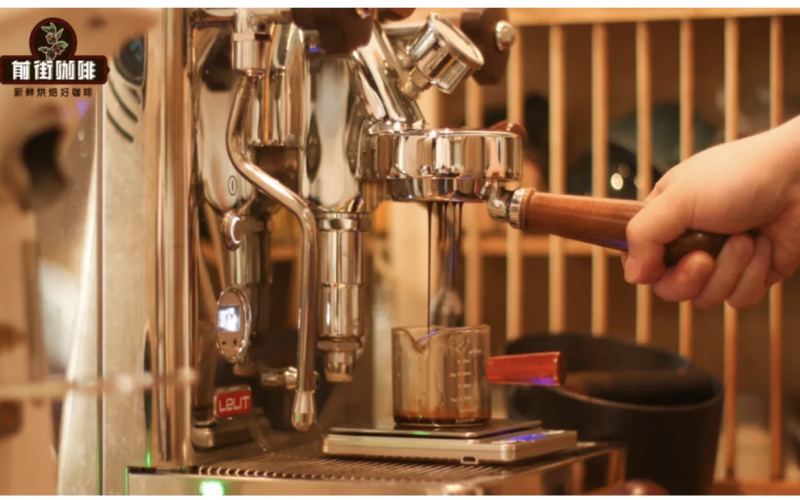
Bean pairing ideas for a coffee shop's espresso line
An espresso line at a coffee shop typically accounts for over 70% of total drink output. The quality of core beverages like Americano, latte, cappuccino, and Dirty largely depends on whether the right beans are chosen. The mature approach to bean selection for an espresso line is a "base blend + specialty blend" combination: one stable base bean to support [more…]
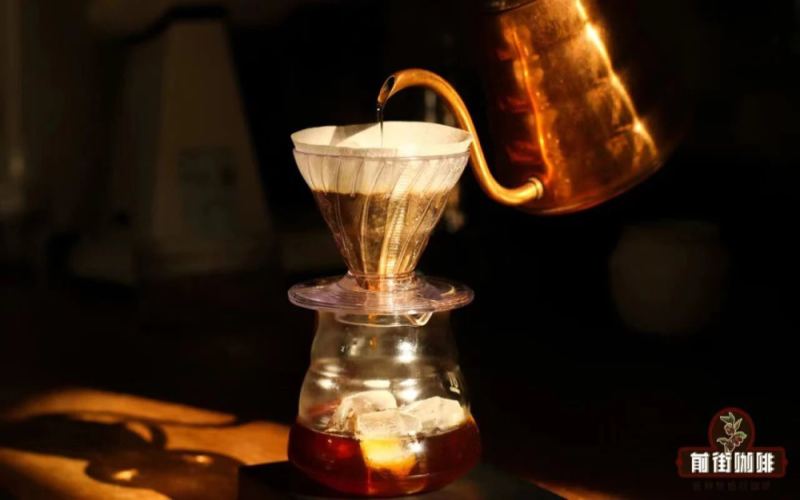
A Guide to Buying Espresso Beans: A Full Breakdown of Blend Recipes, SOE Trends, and Extraction Parameters
Why is espresso commonly made with blended beans rather than single-origin beans? What are the key differences between espresso beans and pour-over beans in terms of roast level and blending logic? This article systematically sorts out the approach to choosing espresso beans from the perspectives of roast degree, blending methods, and the proportion of Robusta beans, introduces the formulas and flavor characteristics of four Front Street Coffee espresso blend products, and provides a detailed analysis of the key variables affecting Espresso output, such as water pressure, water temperature, dose, grind size, and extraction time, helping coffee enthusiasts and cafe operators find espresso beans suitable for lattes, Americanos, and cappuccinos. [more…]

Dear, how to choose the right staple beans for an espresso machine: how to make a consistently good cup of coffee
First, determine the drinking scenario, then talk about choosing beans: a cup of black coffee in the morning and a milk coffee with breakfast are two different needs, and slow sipping with pour-over versus quick output from a machine are two different rhythms. Roast level, flavor intensity, and brewing method all change with the scenario. The core of espresso extraction is the mutual constraint among several parameters: dose, grind size, liquid weight, and yield. [more…]
How to Choose Commercial Beans for a Coffee Shop? Black Cocoa Blend vs. Commercial Blend Comparison
Opening a coffee shop—beans are a very important part of the cost structure. Choose well, and your output stays consistent and customers are satisfied; choose poorly, and either costs spiral out of control or your reputation takes a hit. Front Street Coffee has two common commercial beans: Dark Cocoa Blend and Commercial Blend. Both focus on value for money, but their positioning is slightly different. Today we put them side by side [more…]
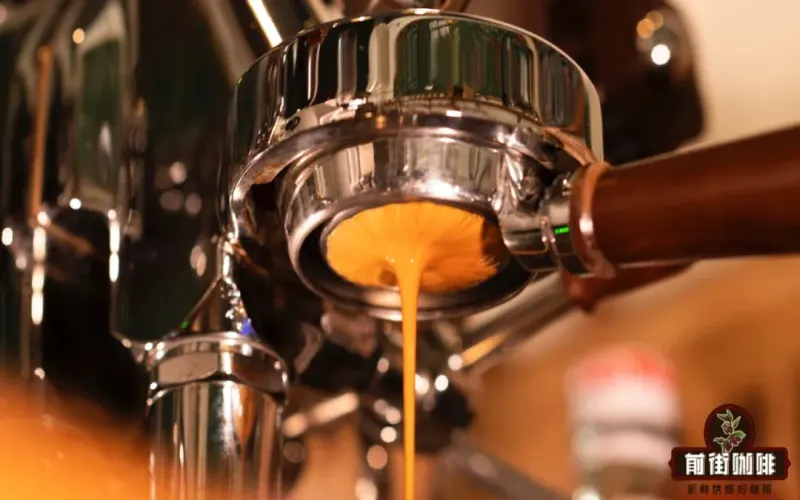
Uncovering the Hidden Factors Behind Unstable Espresso Extraction: How Residual Grounds, Water Temperature, Pressure, Environment, and Chamber Pressure Affect the Flow
Many coffee enthusiasts will notice that with the same beans and the same machine, the flow rate of espresso can change every few hours or even every few dozen minutes, sometimes fast and sometimes slow. Beyond the aging characteristics of the coffee beans themselves, there are actually quite a few easily overlooked hidden factors influencing the extraction results, including residual grounds in the grinder's chute, temperature fluctuations in the espresso machine's hot water, the state of the pump pressure, changes in ambient temperature, humidity and air pressure, and whether the grinder's hopper pressure remains stable in a café setting. Front Street will analyze these factors' mechanisms of influence on espresso extraction one by one, and provide corresponding improvement solutions to help everyone reduce unnecessary adjustments and make their output more consistent. [more…]
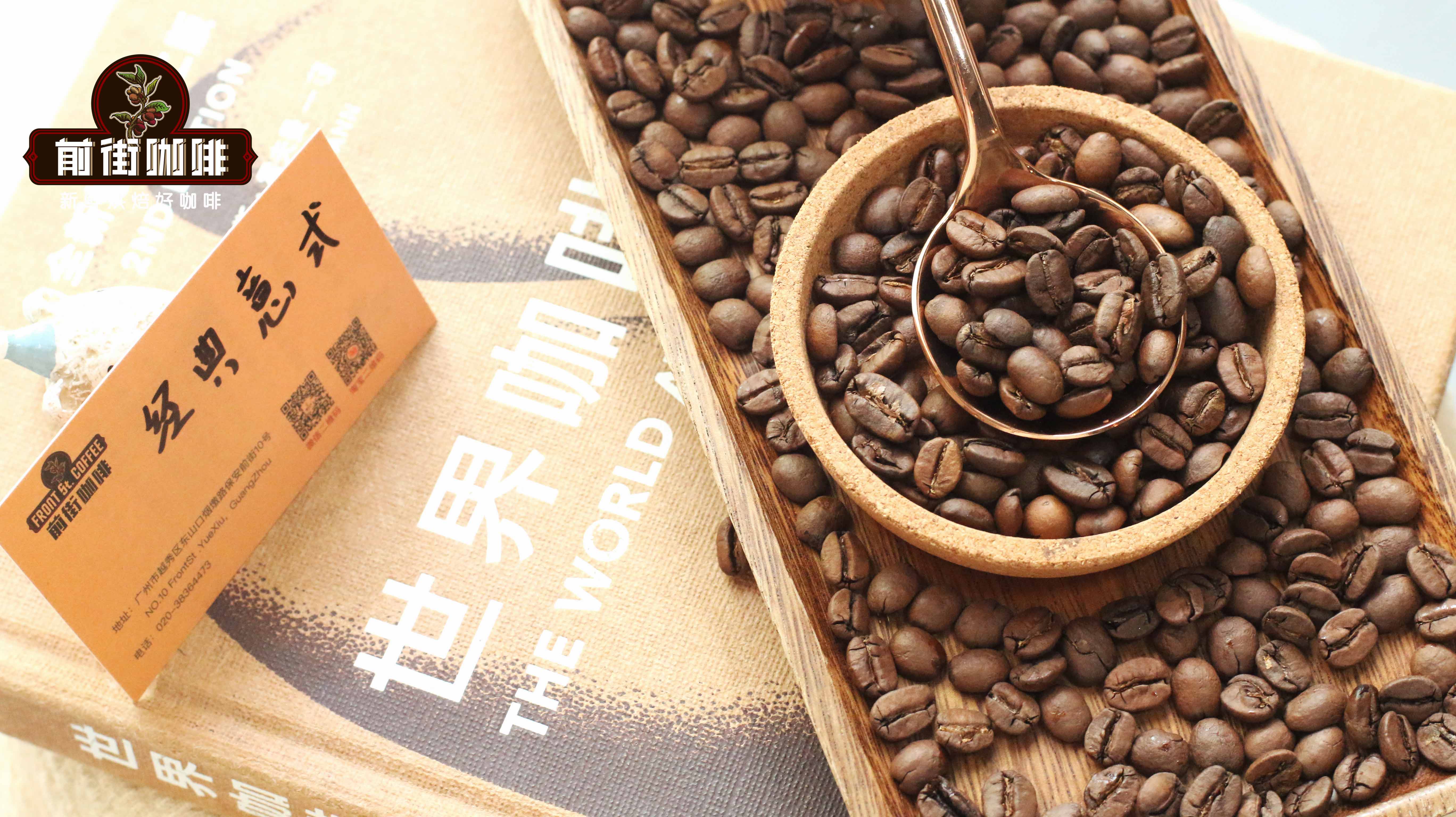
Espresso Bean Buying Guide: Understanding the Oil Sheen Phenomenon and Traditional Espresso Tasting Methods
Espresso beans and pour-over beans serve different purposes. Espresso beans are specifically designed for the high-temperature, high-pressure extraction environment of espresso machines, and typically use multi-origin blends to maintain consistent output. This article will start with the definition of espresso beans, answer the common question of whether oily coffee beans are normal, and introduce the correct steps for tasting traditional espresso. At the same time, drawing on Front Street Coffee's roasting experience, it offers enthusiasts in need of espresso a few bean recommendations that combine flavor and value for money, covering medium-dark roasted SOE and commercial blend options. [more…]
Coffee Shop Bean Selection Guide: Five High-Value Espresso Blends Recommended for 2026
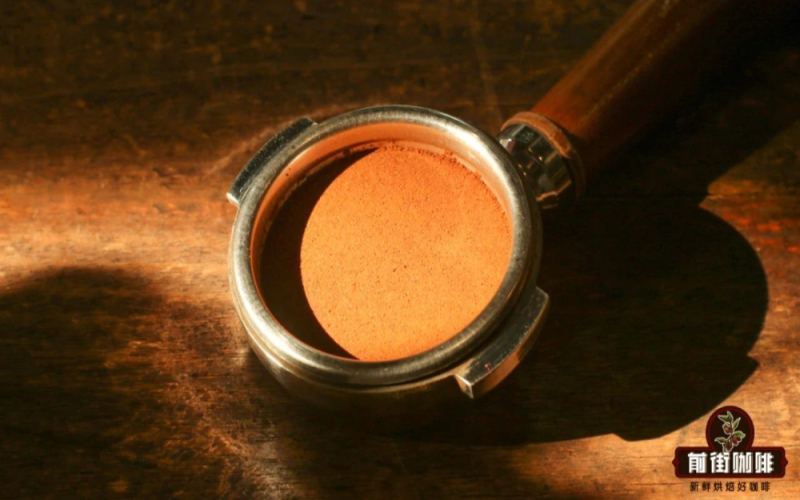
Opening a coffee shop starts with choosing the right coffee beans—a critical step that determines both the consistency of your output and your long-term profitability. Commercial beans must not only meet flavor requirements but also balance cost and shot-to-shot consistency—what everyone calls "daily drinker" coffee beans. This article focuses on five espresso blends worth buying in 2026, highlighting the different positioning and use cases of Front Street Coffee's espresso series: the Classic Blend, Commercial Blend, Dark Cocoa Base Blend, Specialty Blend, and Strawberry Candy Espresso Blend. Whether you focus on a traditional dark-roast approach or want to attract customers with high sweetness and fruity notes, you'll find options that match your store's menu and budget, helping you make purchasing decisions more efficiently when opening a shop or managing day-to-day operations. [more…]
Artisan Roasting Software Operation Guide: Coffee Bean Temperature Curve Logging and Flavor Control Techniques
For coffee roasters pursuing consistent output and flavor reproducibility, Artisan is a rare open-source tool. It can connect to temperature recorders or PID controllers, collect bean temperature and air temperature data in real time during the roasting process, automatically generate visualized curves, and help judge the trends of the drying, Maillard, and development phases. This article compiles Artisan's core functions, compatible device list, export and reporting methods, and includes software screenshots and a version update summary. Whether you use Mac, Windows, or Linux, you can use it to optimize your roasting rhythm, making the flavor performance of every batch of Front Street Coffee beans more controllable and more reproducible. [more…]
Differences Between a Double-Spout Portafilter and a Bottomless Portafilter for Espresso Extraction, and Recommendations for Choosing One
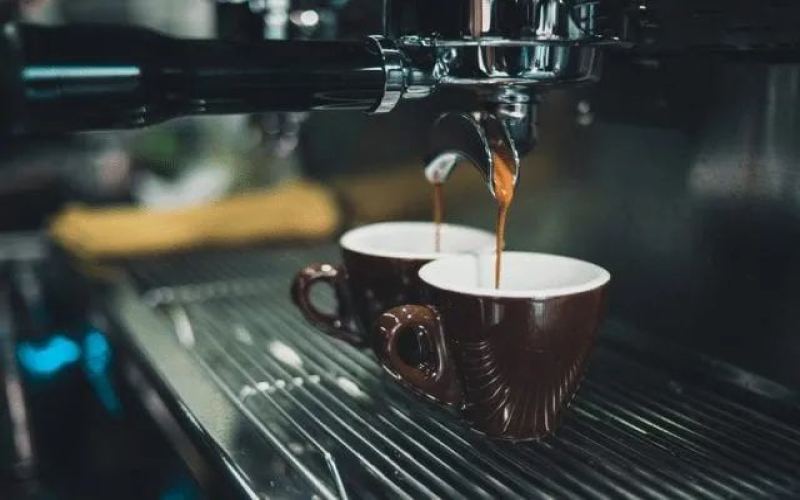
When making espresso, the choice of portafilter is often overlooked, yet it directly affects the consistency of the output and the operating experience. A split portafilter has a closed bottom with two spouts, allowing it to evenly distribute a double shot of espresso; a bottomless portafilter removes the bottom cover, making it easier to observe the extraction state, and is especially advantageous for identifying channeling and making layered coffee. However, the two also differ noticeably in flow rate, preheating requirements, and cleaning and maintenance. This article will systematically compare the features of split portafilters and bottomless portafilters, and offer practical advice from Front Street Coffee to help you make a more suitable choice in your daily output. [more…]
Why Does SOE Coffee Cost Extra? Understanding the Core Differences Between Single-Origin Espresso and Espresso Blends
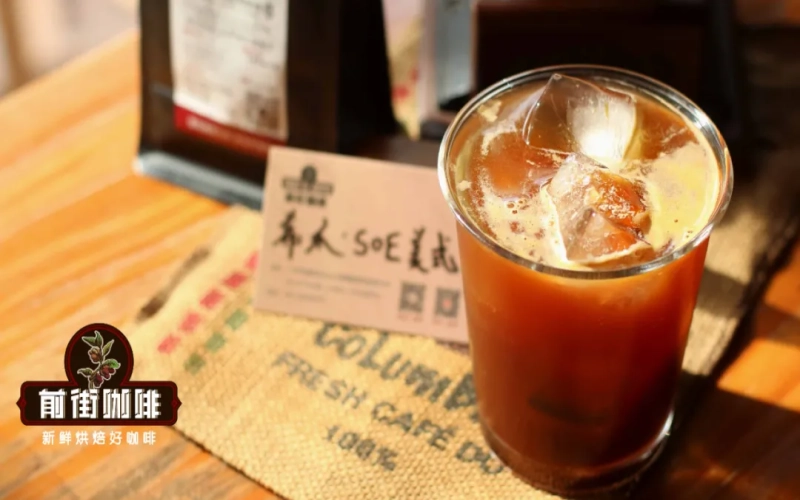
When ordering an Americano or a milk coffee at a café, have you noticed that besides the default espresso blend on the menu, there is also an SOE option that costs extra? Behind this seemingly simple choice lies actually decades of evolution in the coffee industry. SOE stands for single-origin espresso, and it differs significantly from traditional blends in raw material selection, roasting approach, and extraction difficulty. This article will systematically sort out the origin and development of SOE, analyze why it is priced higher, and explain from the perspective of output stability why Front Street Coffee does not launch SOE products, helping you fully understand the essential differences between these two types of espresso. [more…]

De'Longhi Super Automatic Coffee Machine Practical Manual: From Espresso to Home and Commercial Use, Correct Operation and Daily Maintenance Points
Delonghi, as a well-known Italian coffee machine brand, offers fully automatic models covering both home and commercial scenarios. This article focuses on the practical use of the brand's fully automatic coffee machines, walking through the complete process from power-on self-test, filling the bean hopper, and selecting a beverage to automatic grinding and brewing, and highlights the regular cleaning requirements for components such as the water tank and grounds container, helping users produce consistent output while ensuring hygiene. The article also mentions pairing suggestions with Front Street Coffee beans, as a reference for readers who need to purchase or switch beans. [more…]
A Complete Guide to Starbucks Coffee Brewing Methods: Espresso, Drip, Cold Brew, and Pour-Over — How Each Is Made and What It Tastes Like
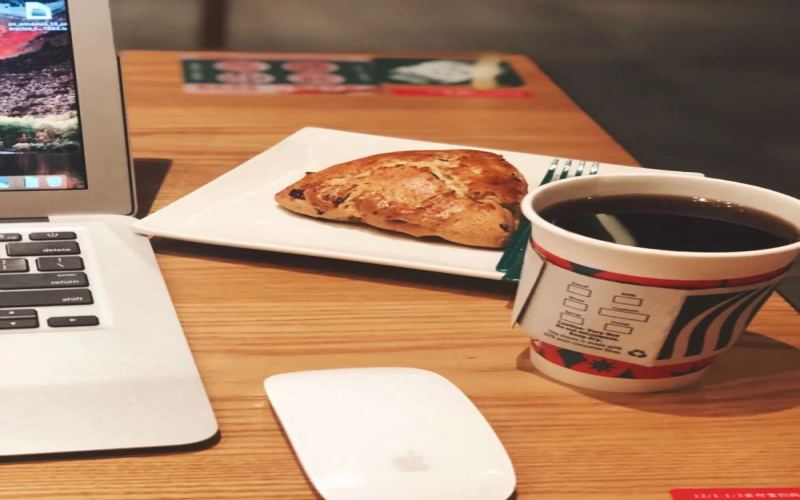
The relatively consistent quality of Starbucks stores worldwide is inseparable from its standardized coffee-making methods. Currently, coffee products in Starbucks stores mainly rely on four brewing processes: fully automatic espresso machines, coffee drip machines, cold water immersion extraction, and pour-over with filter cup and paper. Each method differs in grind size, water temperature control, extraction pressure, and time, and the resulting flavors also have different emphases. This article will examine these four processes one by one, analyze the characteristics of each, and recommend coffee categories worth trying based on Starbucks' menu structure. For coffee lovers who prefer a rich mouthfeel or pursue a crisp flavor, understanding these brewing principles can help them more precisely find the cup that suits them. [more…]